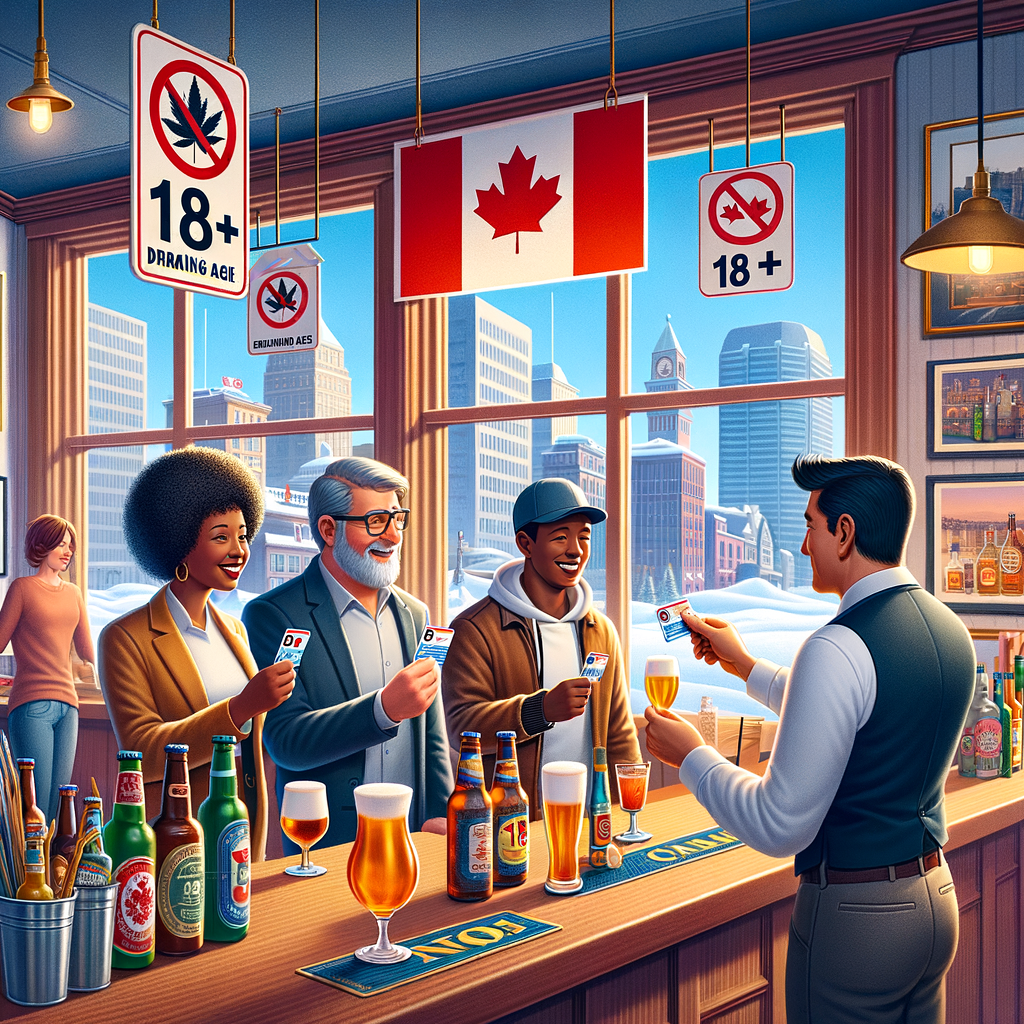
Canada is known for its diverse culture and beautiful landscapes, but it’s also home to a unique set of laws governing alcohol consumption. Whether you’re a local or a visitor, understanding Canadian drinking laws is essential to staying on the right side of the law and ensuring a safe, enjoyable experience. This article explores the legal drinking age across the country, where and when alcohol can be consumed, and the penalties for breaking these laws.
Understanding the Legal Drinking Age Across Canada
Canada does not have a single, nationwide legal drinking age. Instead, the legal age varies by province and territory. In most provinces, such as Ontario, British Columbia, and Saskatchewan, the legal drinking age is 19. However, in Alberta, Manitoba, and Quebec, the legal drinking age is slightly lower at 18. This difference means that the minimum age to purchase, possess, or consume alcohol varies by province or territory in Canada.
The legal drinking age applies not only to the purchase of alcoholic beverages but also to their consumption in both public and private settings. Bars, restaurants, and liquor stores are required to check identification to ensure compliance. For visitors, a valid photo ID, such as a passport or Canadian driver’s license, is required as proof of age. Attempting to use fake identification or providing alcohol to someone underage is a serious offense across the country.
It’s also worth noting that some provinces have additional restrictions for younger drinkers. For example, certain provinces may bar minors from licensed establishments entirely, while others may allow them in restaurants that serve alcohol if accompanied by an adult. Always check the local regulations before heading out for a drink, as these rules can be enforced strictly.
Where and When Alcohol Consumption Is Permitted
Alcohol consumption in Canada is regulated not just by age, but also by location and timing. Generally, drinking alcohol is permitted in private residences and in licensed establishments like bars, restaurants, and clubs. However, public consumption—such as drinking in parks, on the street, or at beaches—is usually prohibited unless a special permit has been obtained. Some cities or provinces may allow drinking in designated public areas or during specific events, so it’s wise to review municipal bylaws wherever you are.
Licensed establishments follow strict rules regarding when alcohol can be served. Most provinces have set hours during which alcohol sales are allowed, often from late morning until the early hours of the next day. For example, in Ontario, alcohol can typically be served from 9 a.m. to 2 a.m. the following day. These hours may vary on holidays or special occasions, and establishments may close earlier at their discretion.
Bringing your own alcohol to a restaurant—referred to as “BYOB” or “bring your own bottle”—is not universally allowed. Some provinces permit it in licensed establishments, provided they have the appropriate endorsement. Additionally, transporting alcohol in vehicles must follow specific rules: containers must be sealed and stored out of reach of the driver and passengers. Open liquor in a moving vehicle is generally illegal, except in certain types of cars, such as limousines or party buses, under specific circumstances.
Penalties and Enforcement for Breaking Drinking Laws
Violating Canadian drinking laws can result in serious consequences, including fines, license suspensions, and even jail time in severe cases. Underage drinking, using fake ID, or providing alcohol to minors are offenses that law enforcement and liquor inspectors take seriously. Penalties vary by province, but they often include hefty fines for individuals and even business closures for establishments caught serving minors.
Public intoxication and drinking in prohibited areas can also attract penalties. Police officers have the authority to issue tickets, confiscate alcohol, or detain individuals who are intoxicated and pose a risk to themselves or others. Repeat offenders may face increased fines or court appearances. In some cases, having a criminal record for alcohol-related offenses can impact future travel, employment, or educational opportunities.
Enforcement is typically strict during significant events, festivals, or in areas with a known history of alcohol-related problems. Authorities conduct regular ID checks at bars and clubs, conduct roadside checks for impaired drivers, and patrol public spaces where drinking is banned. The best way to avoid trouble is to be aware of local laws, drink responsibly, and always carry a valid ID if you plan on purchasing or consuming alcohol.
Canadian drinking laws are designed to promote safety and responsible alcohol consumption, but they can vary significantly depending on where you are. By understanding the legal drinking age, knowing where and when you can drink, and respecting enforcement measures, you can enjoy Canada’s vibrant social scene without risk. Whether you’re raising a glass at a local pub or attending a festival, a little knowledge goes a long way in ensuring your experience is fun and trouble-free.